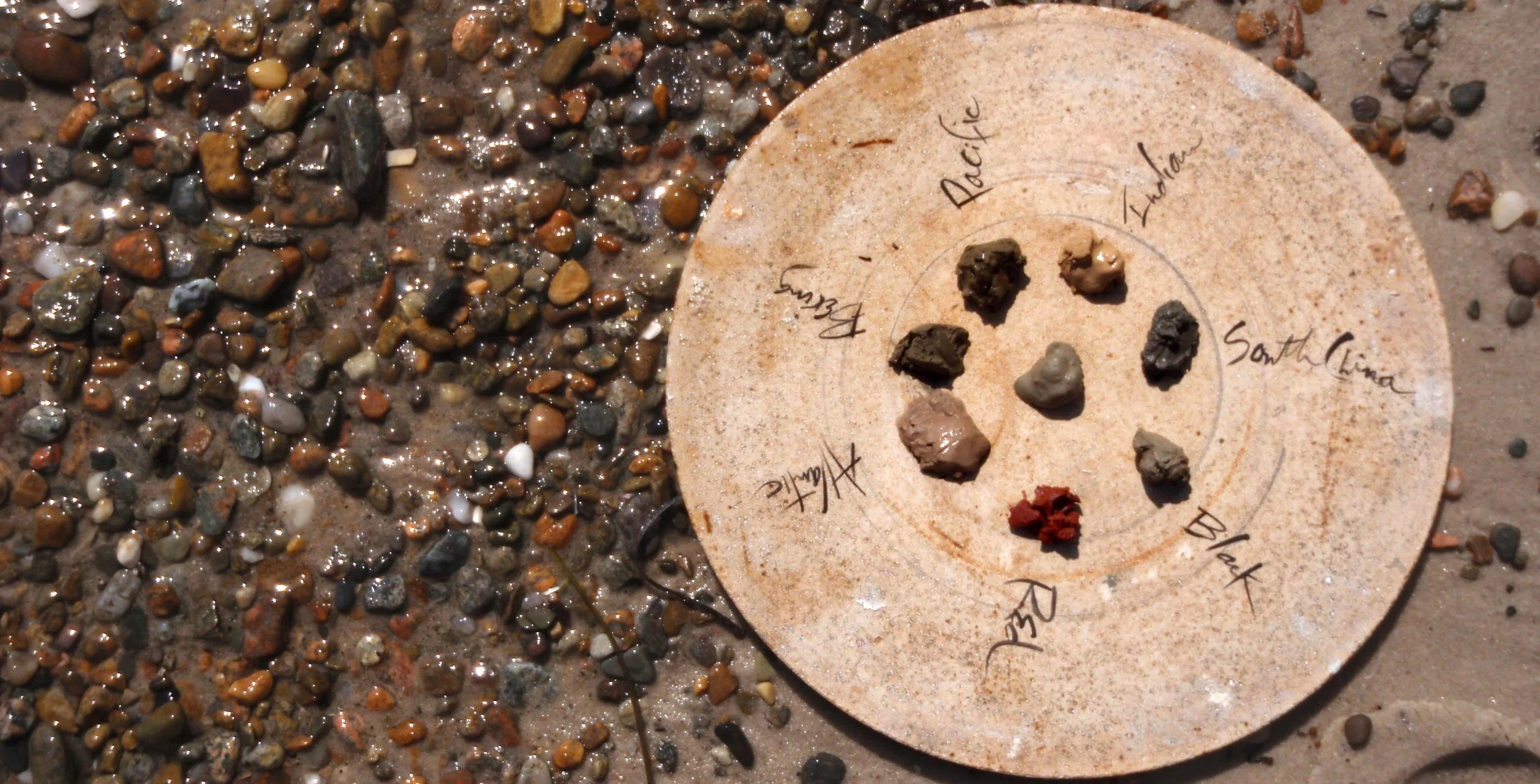
The Soft Earth is Speaking

Like us, like everything — rocks, sediments, pigments, all shaped by time. I added firing — the work is here. So am I.

Then and Now

I never quite know how people find their way here — once, someone tracked me down after finding a piece at an estate sale in Colorado. Educator, student, scientist, collector, speaker-seeker, or simply curious: however you landed here, I'm maintaining this site for you to dig into, learn from, and share.
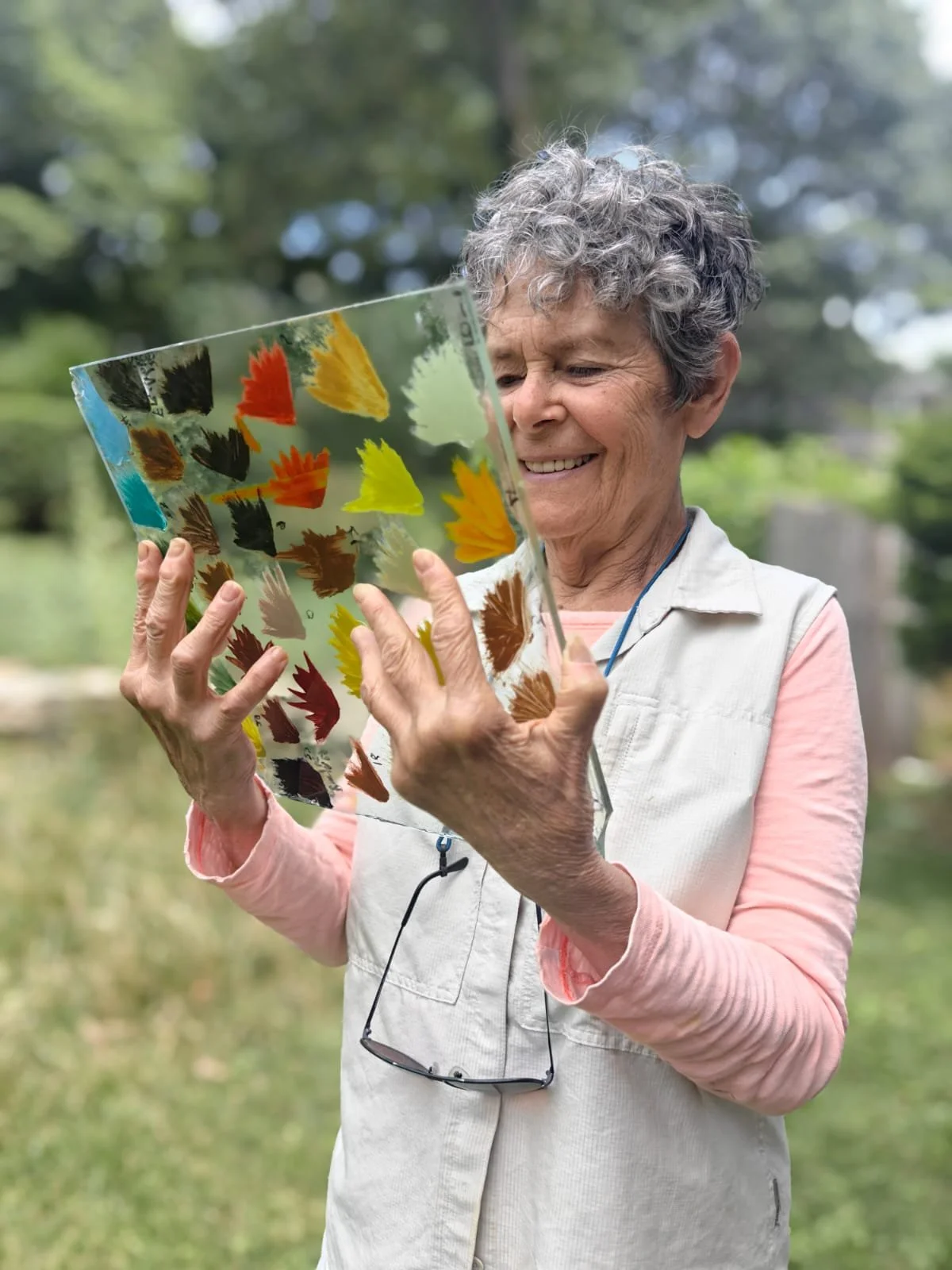
Joan looking at paint on glass taken by VicThor 2026.jpg

Meet Joan Lederman

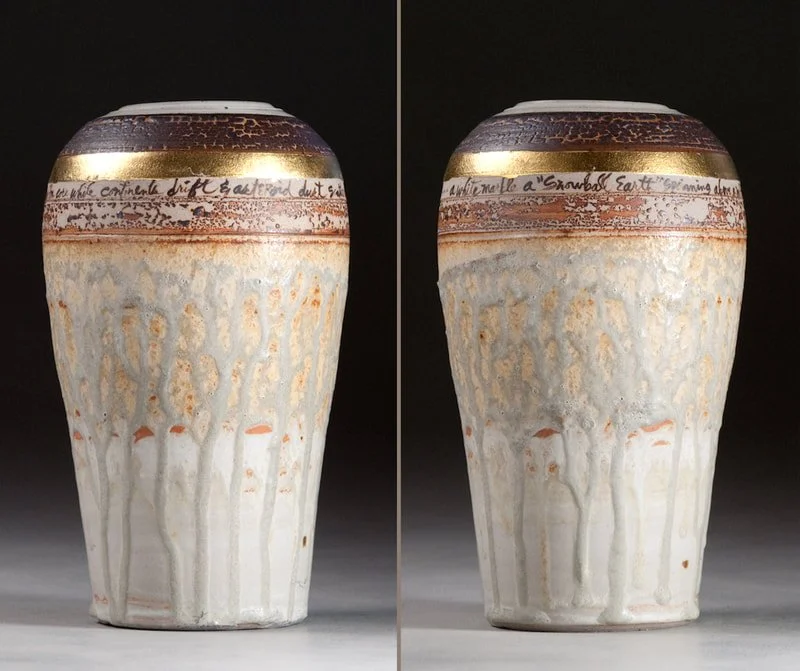
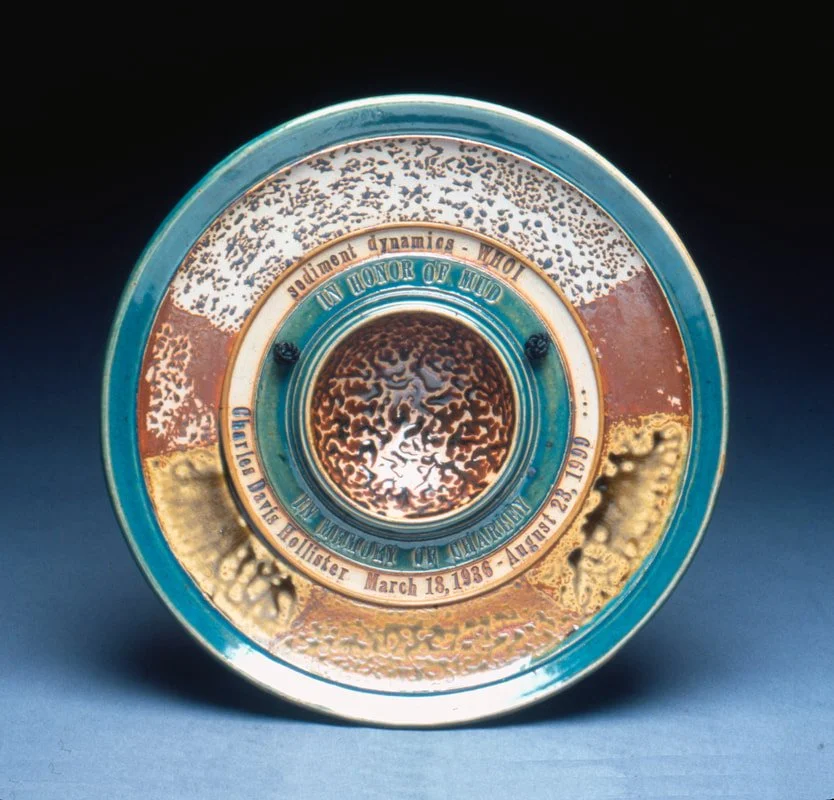
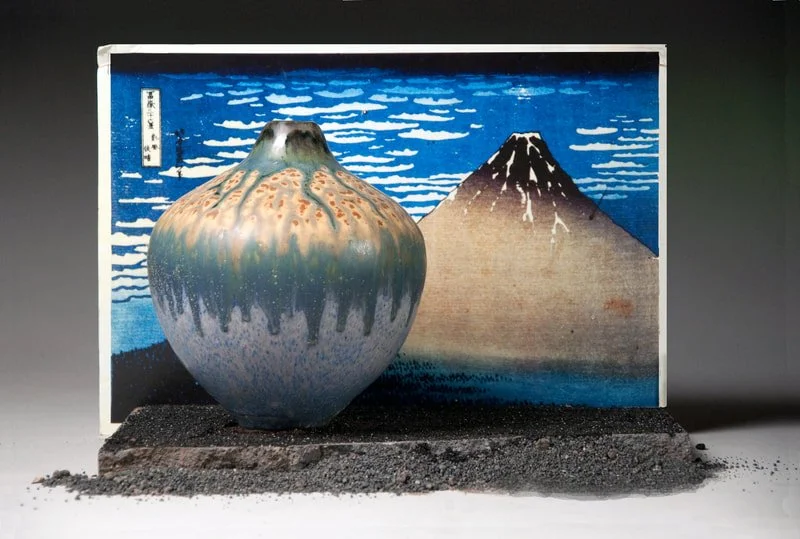
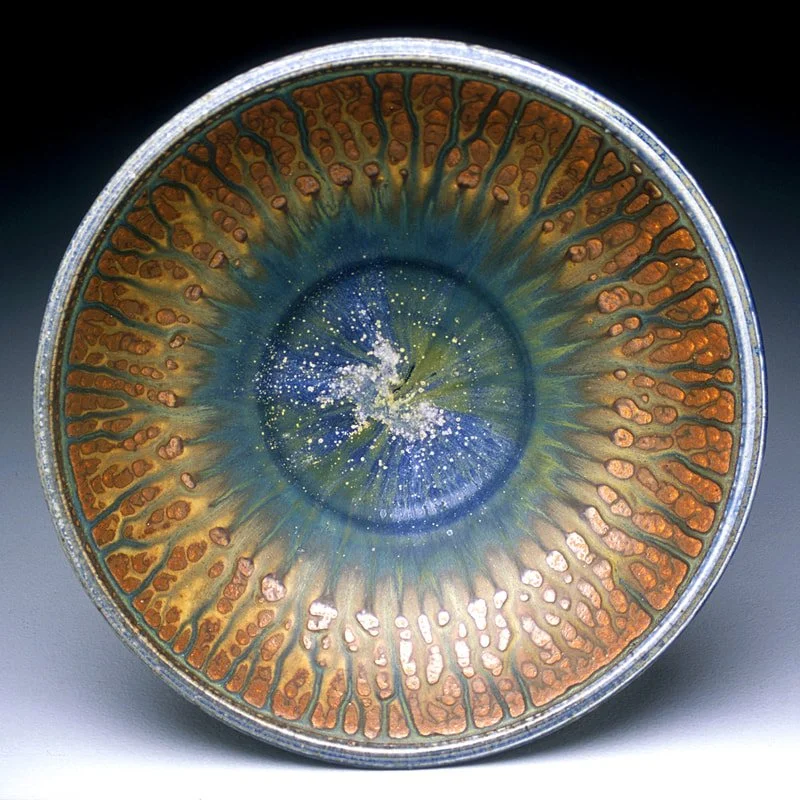
Trained as a painter, then found by ceramics: 45 years with hands in clay, 20 of them firing oceanic materials into ceramic glazes. People found me: writers, collectors, and curious minds with ideas for how the work might meet the world. The work reached Al Gore, Emperor Akihito, Vinton Cerf, Sylvia Earle, Bob Ballard, and Marie Tharpe. It also went into the hands of everyday people worldwide. It was written about in Nature, NPR, Gizmodo, Bostonia, Resurgence, Cape Cod Life, and Ceramic Review.

Now, I’m back to painting. What I do shifts with the seasons and the world. Some days I'm in the I don't know. Some days I'm pondering ecosanitation and death, or PRP and physical therapy, or what I’ll do in the fresh air today.

A work in progress, like all of us: exhaling, inhaling.

  • “Your tireless effort to secure bottom sediments with some tiny fossil animals from the lakes, bays, and seas of our planet is serious scientific stuff. Your next phase of arranging these artistically into a lasting pattern of glazed stoneware is a superb combination of science and art.”

    – Marie Tharp, pioneering ocean cartographer

  • "I call it contingency thinking when I visualize what each glaze might do in a range of temperatures and atmospheres, on concave or convex surfaces, and how calligraphic writing will survive when the glazes flow. I think on multiple, sometimes parallel tracks. If this, then that; if this, then that. I project likelihoods as my livelihood."

    – Joan Lederman

  • "Joan's art, her practice, is for her a mode of inquiry into science, but as a non-scientist — as a person, as an amateur, Joan's art, to me, simultaneously tells the story of someone who experiences science as an outsider, as so many of us do, and as someone who experiences the Earth as an insider, as so few of us can."

    — Randall Bass, at Georgetown University event.

  • "As the number of materials I use increases, my mental agility increases. I bond with materials by concentrating and by memorizing their visual identities at various stages – being present with them is a way I love them. If I maintain attention, I can decide things faster than my mind can track chains of logic."

    – Joan Lederman

Collected Mud Stories

  • Titanic's Resting Place

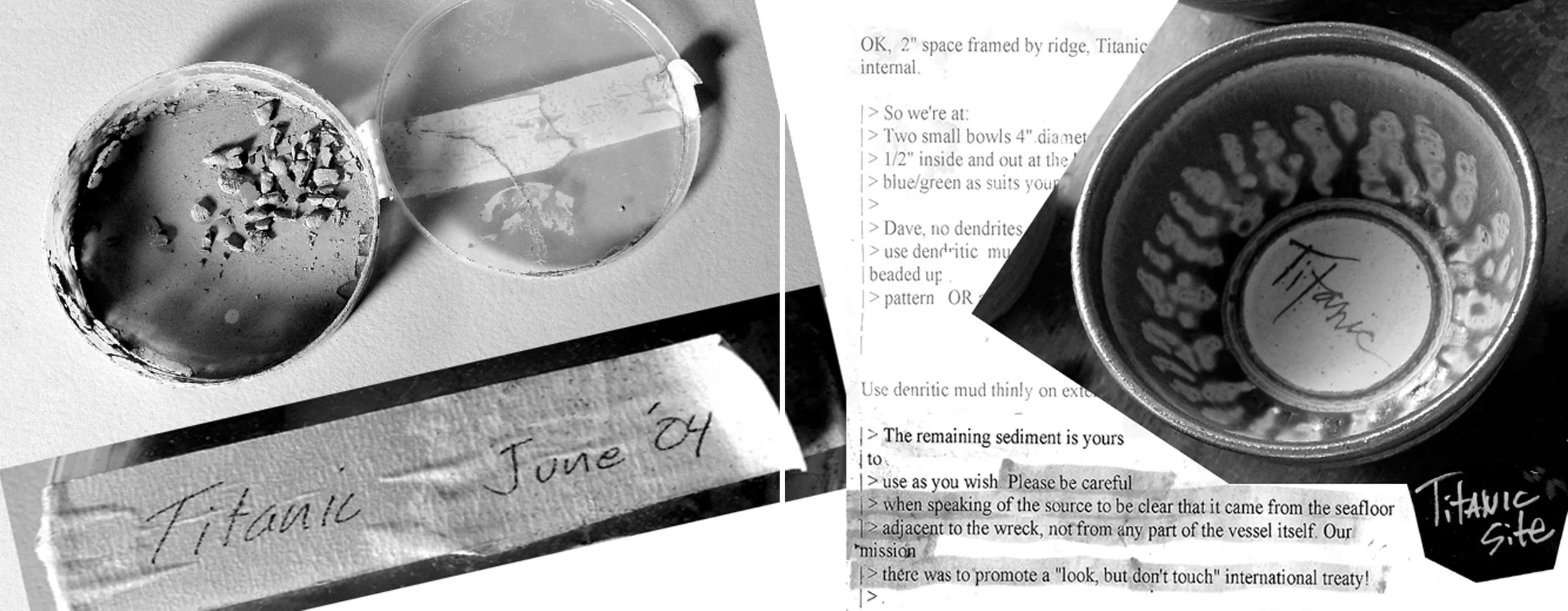
    I was waiting in line at the bakery when I met Dave Wright, who was heading out on a cruise to the Titanic wreck site. He learned what I do and asked whether, if he brought me a sample, I would make something for him. He returned with a small vial of sediment taken beside the wreck and cleaned off robotic pincers…

  • Amundsen Polyna Expedition

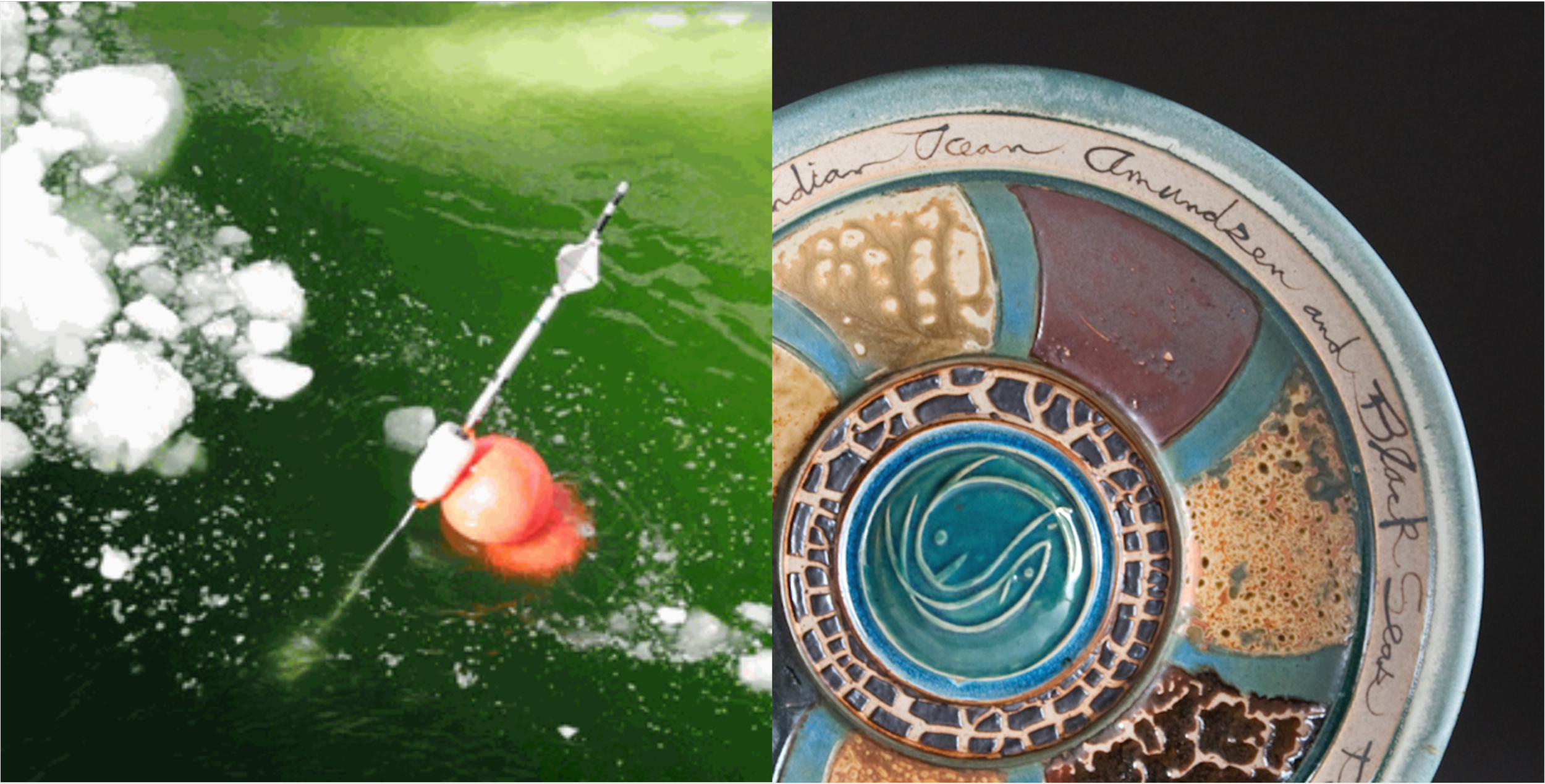
    In 2010–2011, the Amundsen Sea Polynya International Research Expedition (ASPIRE) sailed on the research vessel Nathaniel B. Palmer to study the unusual biogeochemistry of a polynya, a patch of open water in the sea ice of the Amundsen Sea. The photo shows its green water. The smell doesn’t transmit, but Rutgers professor Silke Severmann, who gave me sediment from the expedition, described it as “stinky”…

  • Gakkel Ridge

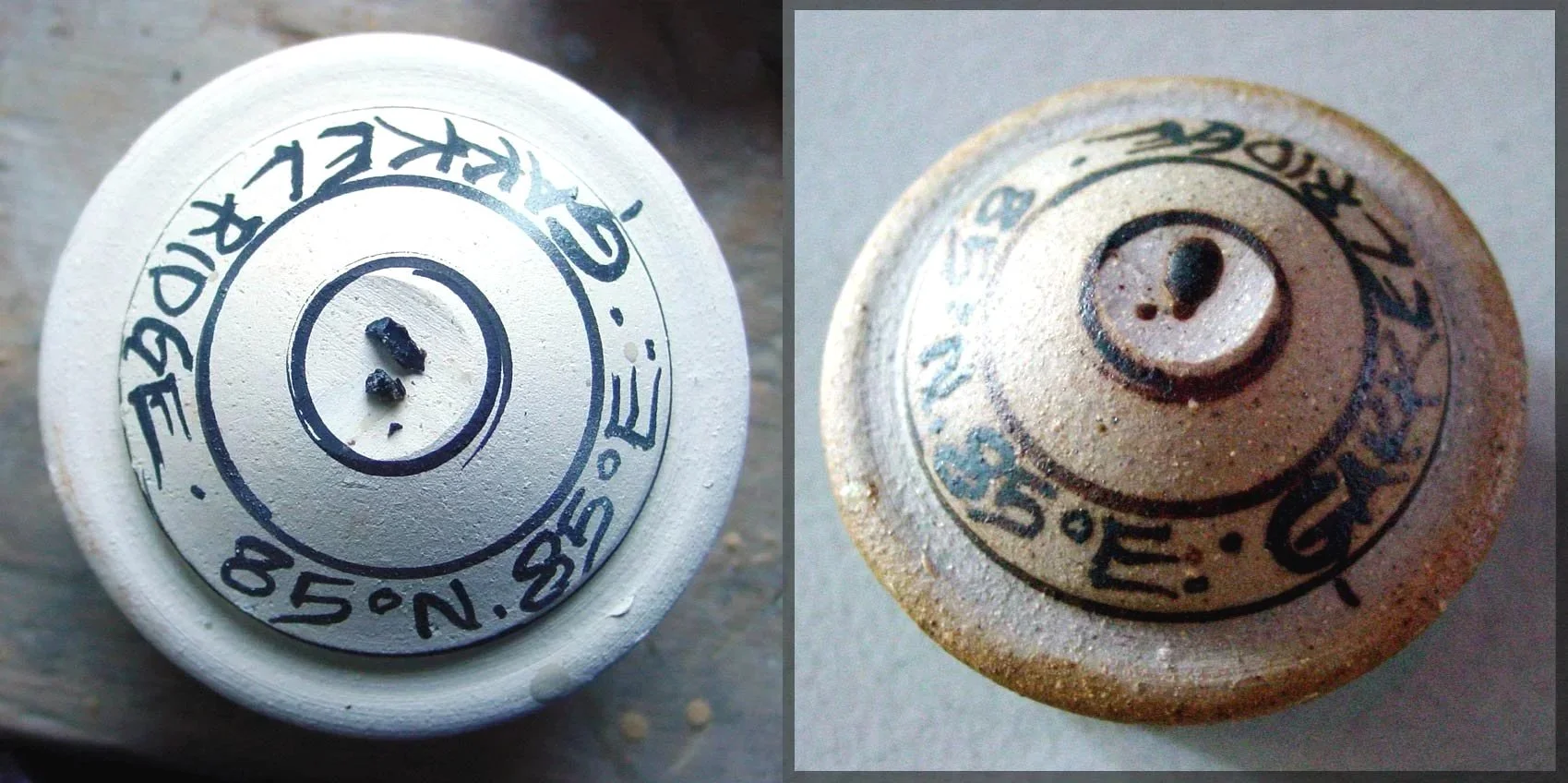
    Hydrothermal vent granules from 85° North, on the Gakkel Ridge beneath the Arctic ice. Lonny Lippsett, a science writer, gave me a small cup of them from a cruise of the Swedish icebreaker Oden. His article on the expedition describes the search for what would be the first hydrothermal vents found in the Arctic Ocean…

  • Mud from Phoenician Wreck

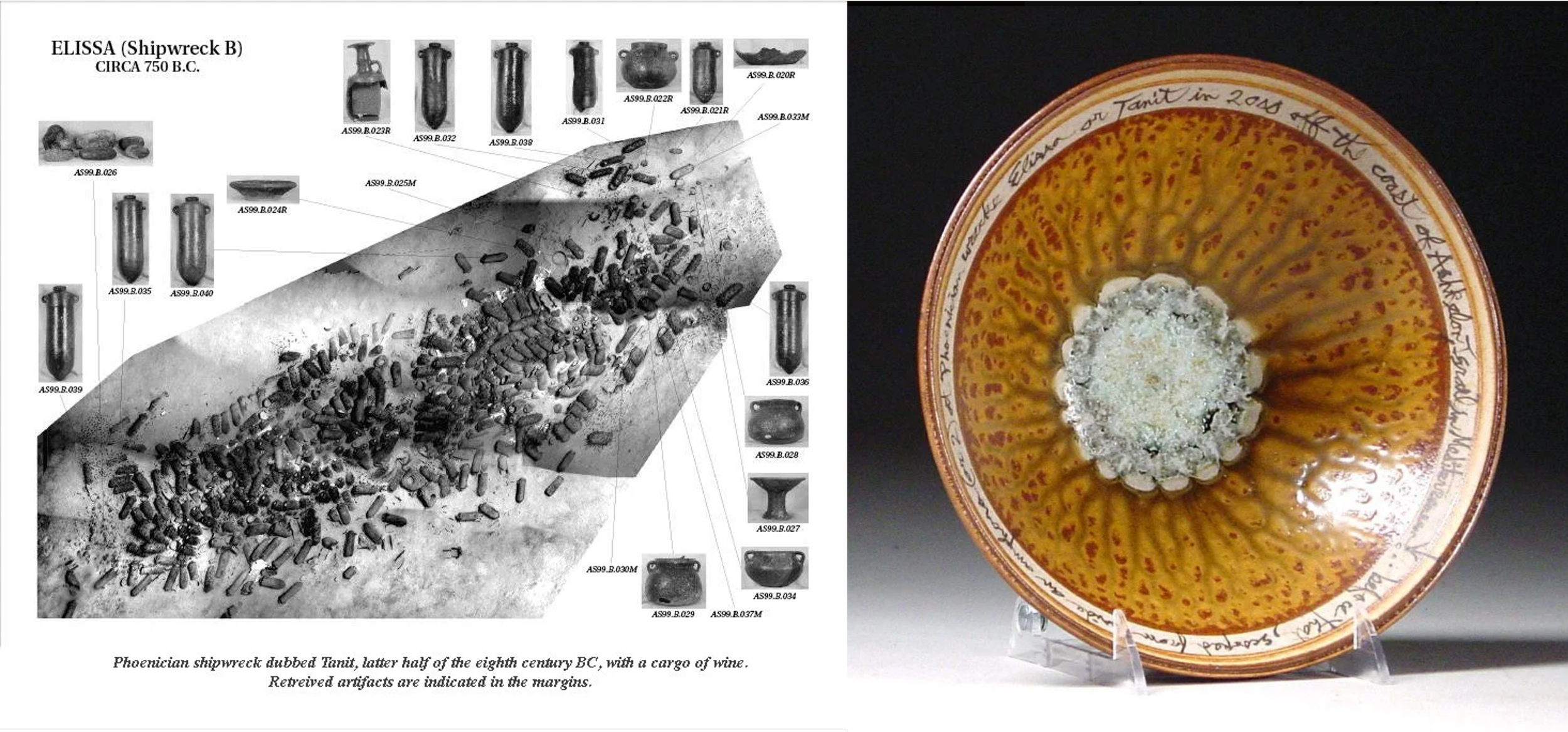
    I didn’t know Sarah Webster, then an engineer at WHOI, until she called to say she had some mud, was leaving town, and did I want it? I did. She left it at my door and emailed me about it. It came from inside amphorae that carried either wine or olive oil. The ships sank about 750 BC…

  • Snowball Earth

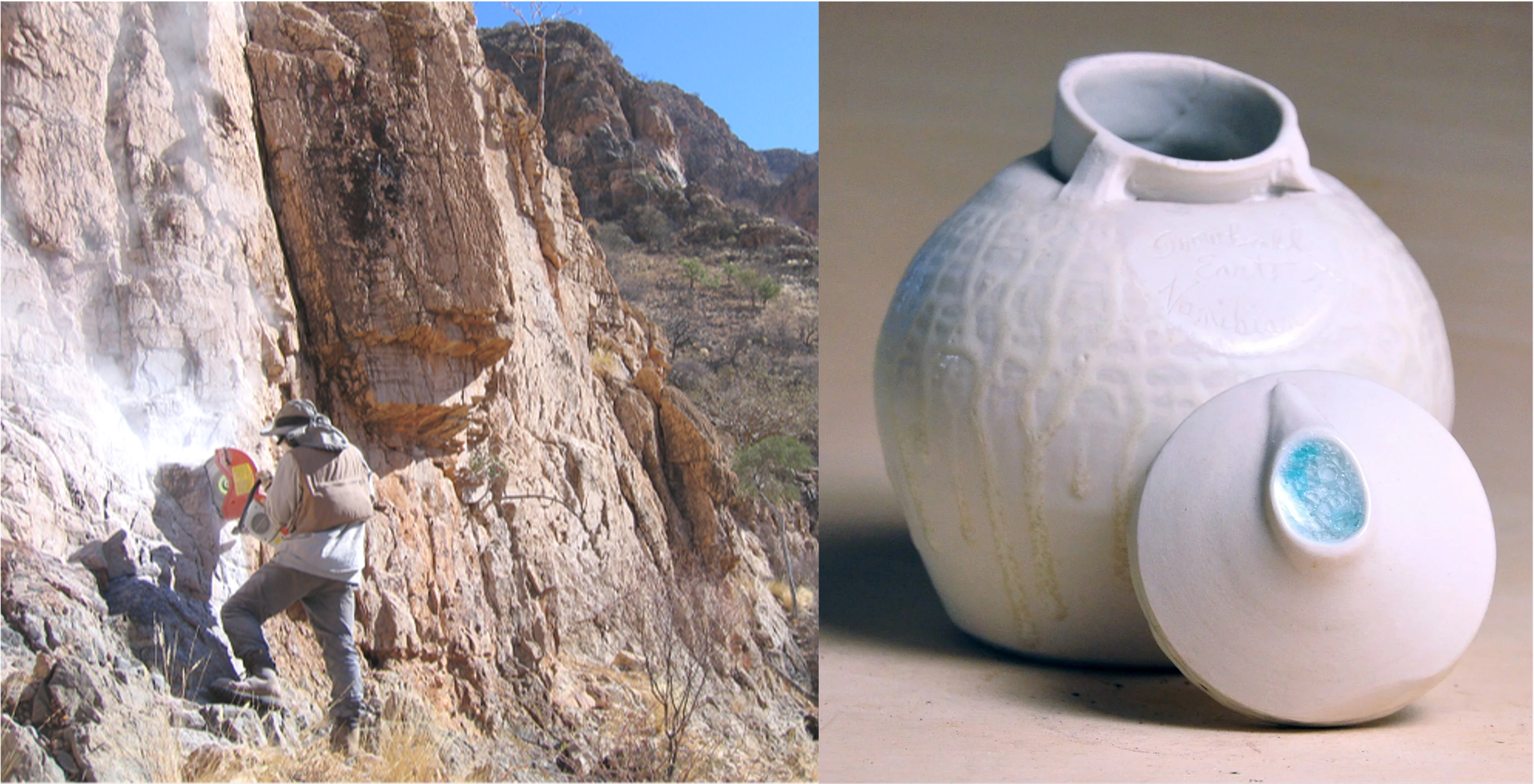
    When WHOI scientist Bernhard Peucker-Ehrenbrink brought me this powder made from a ground-up Namibian rock, I didn’t know anything about “Snowball Earth.” The Namibian rocks are mostly from 020°11.970’South, 015°00.987’East, where Bernhard is cutting from the cliff…

  • Cretaceous Tertiary Boundary

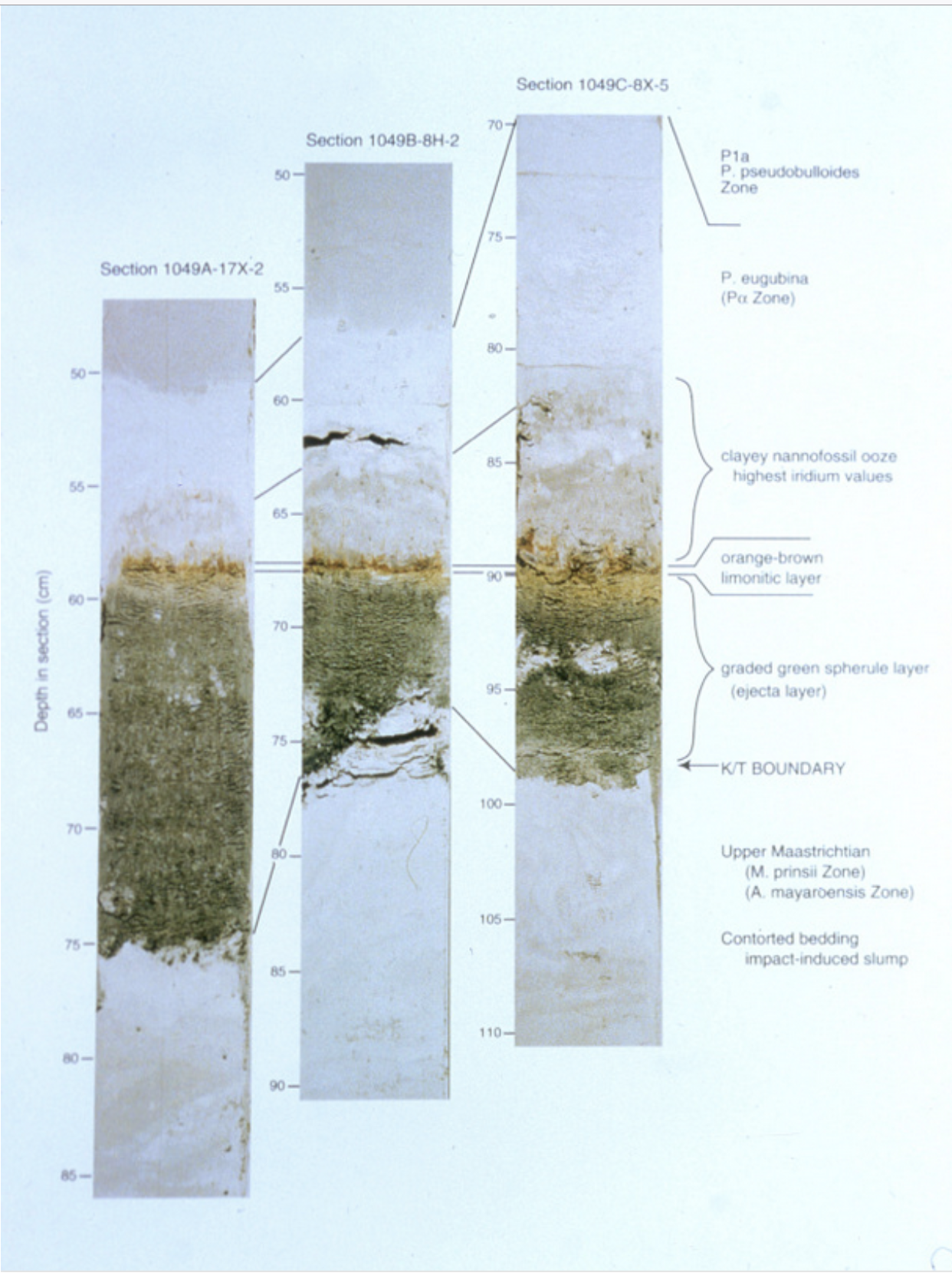
    Sediment from the first core to show a clear chemical signature of this boundary: a tiny spike of iridium at the depth of about 65 to 66 million years ago. Jim Broda described it as the “Dinosaur-killing cloud of extra-terrestrial dust from the K-T Band.”

    The sediment is from 30.44°19.9’ north, 157°49.0’ west, 3100 to 3115 meters deep. It’s from ship Long Lines, cruise 44, October 1976, Leg #1…

Ceramic Themes

Get in touch.

If you have questions, ideas, or comments or want to plan a studio visit.